Punta Cana sits under a Level 2 advisory, the same tier as France and Italy, and took 51% of the Dominican Republic's record 11.6 million visitors in 2025. Here is what the official advisories actually say and which risks genuinely affect tourists.
What You Should Know
- The U.S. State Department rates the Dominican Republic Level 2: Exercise Increased Caution, the same tier applied to France, Italy, Spain and the United Kingdom. That level was issued on June 12, 2025 and Punta Cana's resort corridor carries no separate warning of its own.
- The four major governments do not agree on tone, and it is worth knowing that before you read one and panic. The U.S. and Australia sit at their second-of-four level, Canada says exercise a high degree of caution, and the UK Foreign Office is bluntest of all, stating plainly that the crime rate in the Dominican Republic is high.
- National crime statistics and resort-zone experience are two different things. The Dominican Republic took a record 11.6 million visitors in 2025 and Punta Cana absorbed 51% of them, with a dedicated tourist police force (CESTUR) patrolling the Bávaro strip around the clock.
- The risks that actually reach tourists in Punta Cana are mostly not violent. Petty theft from rooms and beaches, motorcycle-borne bag snatching, road traffic, rip currents on the unprotected beaches, and stomach trouble from tap water account for the overwhelming majority of incidents.
Is Punta Cana Safe to Visit?
Is Punta Cana safe? For most travelers staying in the established Punta Cana and Bávaro resort areas, the practical safety risk is relatively low when normal precautions are followed. The Dominican Republic recorded 11,676,901 visitors in 2025, a national record and up 4.3% on the previous year, with Punta Cana taking 51% of all arrivals and December alone bringing close to 960,000 air arrivals. Those figures come from Ministry of Tourism reporting and the Central Bank's tourism statistics, and a corridor absorbing that volume is not an unusually dangerous place to take a holiday.
That is the honest headline, but it is not the whole answer, and anyone telling you Punta Cana is simply "safe" or simply "dangerous" is skipping the part that matters. The Dominican Republic as a country carries real crime problems, concentrated in specific urban areas and along the Haitian border, and the official advisories reflect that. Punta Cana's resort corridor is a heavily policed tourism enclave that bears very little resemblance to those statistics. Understanding which set of numbers applies to your trip is the single most useful thing this guide can give you.
Below we cover what each government advisory actually says (they differ more than you would expect), how resort-zone safety compares to national figures, the 2019 tourist deaths story and how it was resolved, and the specific risks that genuinely affect visitors: transport, water, petty theft and health. If you are still planning the logistics, our Punta Cana airport transfer guide covers the arrival process in detail, since getting from PUJ to your resort is one of the few moments where a bad decision carries real cost. If you are flying into the capital, our Santo Domingo to Punta Cana guide covers the two-hour road crossing, and our Punta Cana airport to Bávaro guide covers the short run out to the resort strip.
Bottom line: Punta Cana's main resort corridor is generally low-risk for tourists, but petty theft, road traffic, rip currents and health issues are more realistic concerns than violent crime. Government travel advisories apply to the Dominican Republic as a whole, not specifically to Punta Cana.
Punta Cana Safety at a Glance
If you want the quick version before the detail below, here is how the main risk categories stack up for a typical resort-based visitor.
| Category | Rating for Tourists |
|---|---|
| Violent crime inside the resort zone | Low |
| Petty theft (rooms, beaches, airport) | Moderate, the most common complaint |
| Road traffic & motoconchos | Moderate to high, the biggest real risk |
| Beach & water safety | Good on reef-protected beaches, use caution elsewhere |
| Taxi overcharging & unlicensed drivers | Moderate, mostly at the airport |
| Food & tap water | Use bottled water, otherwise low risk |
| Solo travel | Good within the resort corridor |
| Family & couples travel | Excellent |
| Organised excursions | Good with licensed operators |
| Hurricane exposure (June to November) | Real but well forecast |
ℹ️ Ratings reflect typical risk for tourists staying in the established Punta Cana and Bávaro resort corridor and taking normal precautions. They are not a guarantee, and conditions vary by area, season and time of day.
Current Travel Advisories: What Each Government Says
This is where most safety articles quietly mislead you by quoting only the friendliest source. The four major English-speaking governments assess the Dominican Republic differently, and reading all four gives a much more accurate picture than reading any one.
| Government | Advisory Level | What It Says | Official Source |
|---|---|---|---|
| United States | Level 2 of 4: Exercise Increased Caution | Issued June 12, 2025. Cites violent crime including robbery, homicide and sexual assault, while noting increased police presence in tourist areas. No separate warning for Punta Cana. Same level as France, Italy, Spain and the UK. | U.S. State Department |
| Canada | Exercise a high degree of caution | Updated August 14, 2026. Notes crime across the country, frequent pickpocketing and bag-snatching with tourists as common targets, drive-by robberies from motorcycles, and theft at resorts, beaches and airports. Land and sea borders with Haiti are closed. | Government of Canada |
| United Kingdom | See and act on the safety advice | The bluntest of the four. States that the crime rate in the Dominican Republic is high, ranging from bag-snatching and pickpocketing to violent crime and carjacking, and flags a high road traffic death rate. | UK Foreign, Commonwealth & Development Office |
| Australia | Exercise a high degree of caution | Cites the threat of violent crime. Notes that tourist police patrol key tourist areas and can be reached on 911. Australia has no embassy in the country; the Canadian embassy in Santo Domingo provides consular assistance. | Australian Government Smartraveller |
How to read this honestly: none of the four advises against travel to the Dominican Republic, and none singles out Punta Cana. All four apply to the whole country, which includes Santo Domingo's rougher barrios and the Haitian border region, neither of which you will go anywhere near on a Bávaro beach holiday. The UK's harsher wording is not a different assessment of your resort, it is a different writing style applied to the same national picture.
We would treat the UK's page as the most useful of the four rather than the most alarming, because it is the only one that gives road traffic the same weight as crime, which the underlying data supports.
ℹ️ Advisory levels and wording change. Check the official source links above before you travel rather than relying on any article, including this one.
Punta Cana Safety by the Numbers
Numbers give context that reassurance cannot, with one important caveat: national statistics and resort-zone reality are not the same measurement, and mixing them is how both scaremongering and false comfort get written.
- Visitor volume: The Dominican Republic received a record 11.6 million visitors in 2025, up 4.3% year on year and 13.3% on 2023. Punta Cana took 51% of arrivals, making it comfortably the busiest entry point in the Caribbean.
- National homicide rate: World Bank data puts the Dominican Republic at 10.9 intentional homicides per 100,000 in 2023, having moved between 8.7 and 12.4 over the preceding four years. Other published figures for 2025 land between roughly 8.3 and 11.5. We give the spread rather than pick the flattering end, and note the rate sits well below several other Caribbean and Latin American destinations.
- Resort zone versus national average: Commercial travel sites report Punta Cana violent crime at a small fraction of the national rate. We have not found that figure in any official statistical release, so treat it as indicative only. The defensible version of the claim is structural rather than numerical: the corridor is a gated, privately secured, separately policed enclave, and national statistics are not measuring it.
- What tourists actually report: The incidents visitors describe are overwhelmingly non-violent: theft from hotel rooms and beach loungers, bag snatching by riders on motorcycles, overcharging by unlicensed drivers, and stomach upsets. These are the risks worth planning around.
- Road safety, the statistic that should change your behaviour: World Bank figures record 64.6 road traffic deaths per 100,000 people in the Dominican Republic, against 10.9 homicides per 100,000. Roads kill roughly six times more people here than homicide does, and the UK Foreign Office flags the road death rate explicitly. This is why the transport section below matters more than the crime sections.
The honest read: national crime figures reflect problems concentrated in places tourists do not go, while the corridor where you will actually spend your week is meaningfully safer. That does not make it risk-free, and the risks that remain are mostly traffic and theft rather than violence. One pattern we noticed across all four advisories is that none of them separates the resort corridor from the country as a whole, which is why they read more alarmingly than a Bávaro holiday warrants.
Punta Cana Safety by Area
Punta Cana is not one place, and the safety picture shifts noticeably as you move outward from the resort strip.
The Bávaro and Punta Cana resort corridor
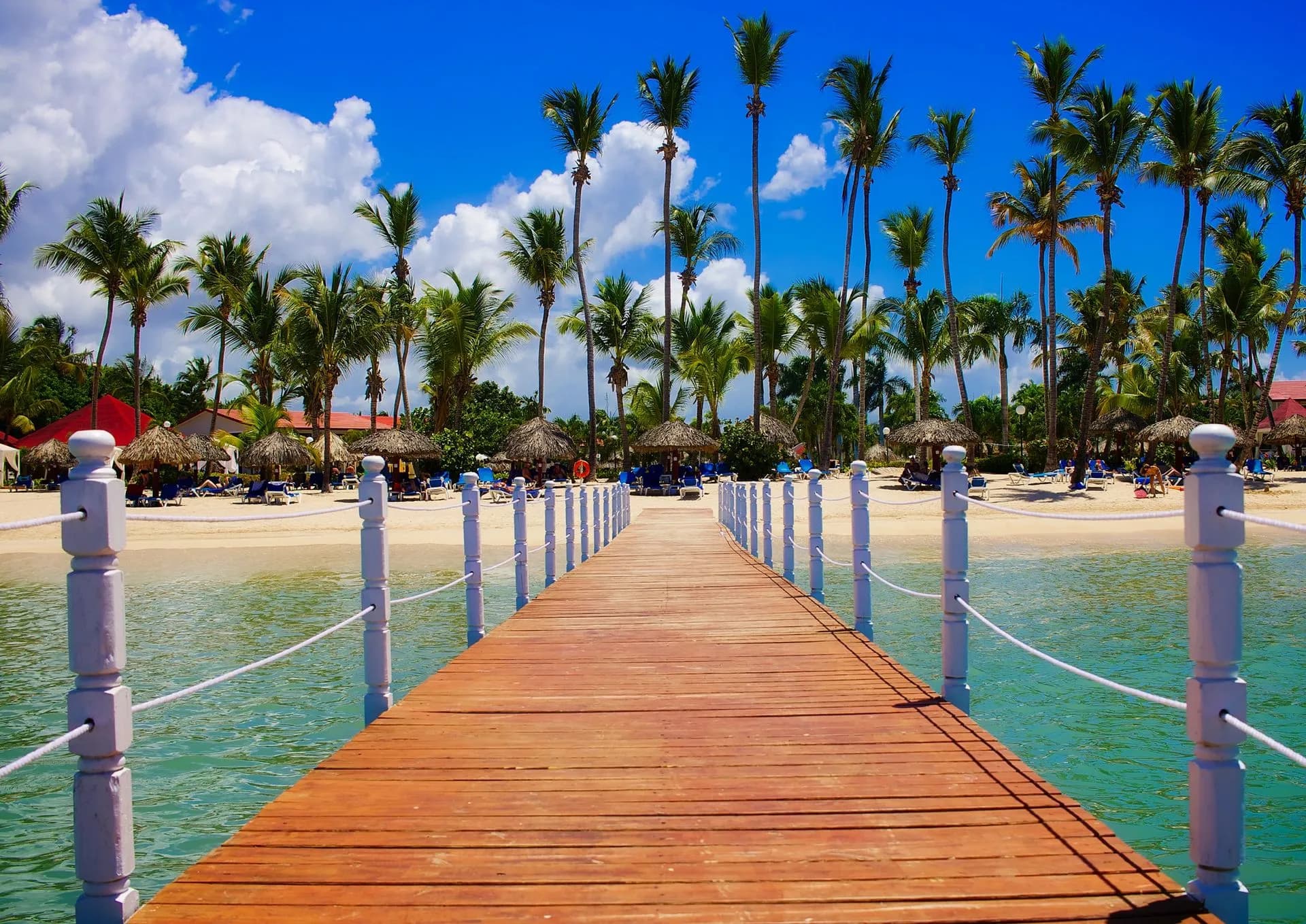
The safest zone, by a wide margin. The strip running from Cap Cana north through Bávaro to Uvero Alto is a gated, privately secured tourism corridor. Major properties run their own security, and CESTUR, the national tourist police force, patrols the public areas. What the advisories actually describe happening to tourists here is theft rather than violence: Canada's page names pickpocketing, bag-snatching and theft at resorts, beaches and airports, not attacks on visitors. We would not claim violent crime never occurs in the corridor, only that it is not what the reported incidents consist of.
Downtown Punta Cana, Friusa and Verón
Ordinary Dominican towns, and worth normal city awareness. These are where resort staff actually live, and visiting them is not reckless: plenty of travelers eat and shop there for a fraction of resort prices. Petty theft and opportunistic crime are more common than on the strip, and the Friusa area in particular has a reputation locally that warrants care after dark. We would go during the day and take a licensed taxi rather than walking, not because the towns are dangerous but because the distances between them are long, unlit in places, and where opportunistic theft actually happens. Leave valuables at the hotel.
Macao and the beaches beyond the strip
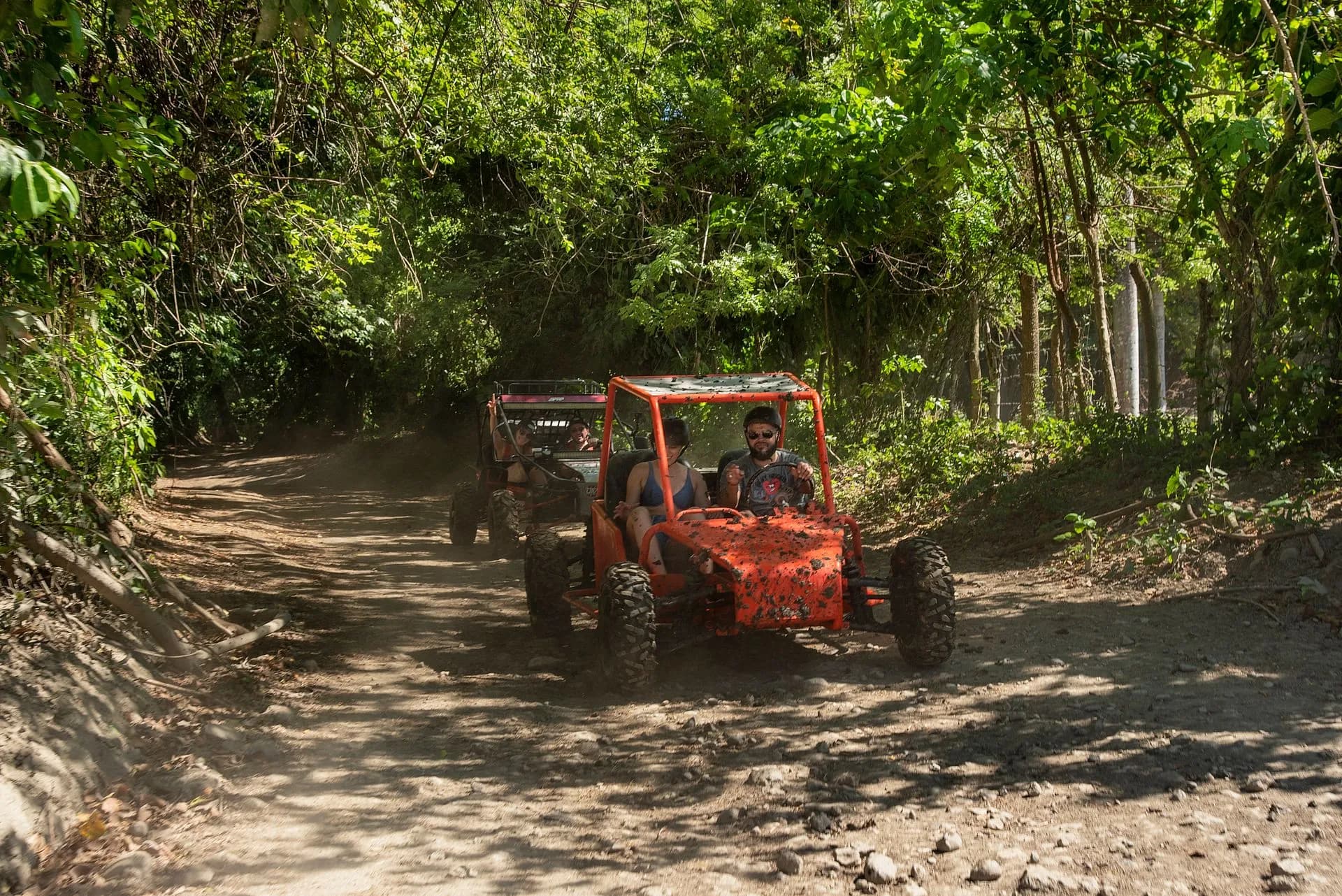
Beautiful and much less supervised. Macao Beach is a public beach with real surf and no consistent lifeguard cover, and it sits well outside the security perimeter of the resort zone. It is a fine day trip, and most of our Punta Cana ATV tour operators finish there, but it is not a place to leave belongings unattended or to swim carelessly.
Santo Domingo and the Haitian border
A different risk conversation entirely. Santo Domingo is a large capital city with the crime profile of one, and its Colonial Zone is well patrolled while other barrios are not. The Haitian border region is the only part of the country the advisories treat as genuinely elevated risk: Canada notes the security environment there is highly unpredictable and that land and sea borders with Haiti are closed. Neither area figures in a normal Punta Cana holiday, but both are what the national statistics are largely measuring.
What Happened With the 2019 Tourist Deaths?
If you have searched whether Punta Cana is safe, you have probably met headlines about American tourists dying mysteriously at Dominican resorts. This story dominated coverage in mid-2019 and still shapes people's instincts about the destination, so it deserves a direct answer rather than being quietly skipped.
What happened: in late May 2019, three American tourists died within five days at Bahía Príncipe resort properties in La Romana, on the coast southwest of Punta Cana. Miranda Schaup-Werner, 41, died shortly after arriving, and a couple, Nathaniel Holmes and Cynthia Day, were found dead in their room days later. More cases were subsequently linked to the story by media outlets, and speculation focused on tainted alcohol from in-room minibars.
How it was resolved: the FBI ran independent toxicology testing and delivered its results to Dominican authorities in autumn 2019. The findings did not support the tainted-alcohol theory and found no connection between the deaths, which pointed to a coincidental cluster rather than a common cause. Coverage of a resolution is always quieter than coverage of a mystery, which is why the original headlines are still what most people remember.
What it means for your trip: honestly, very little. It was seven years ago, it was investigated by an outside agency, and the conclusion was that the deaths were unconnected. Since then the country has gone on to record its highest ever visitor numbers. We include it because leaving it out would be a strange omission on a page about whether Punta Cana is safe, not because it should weigh on your decision.
Transport Safety: The Risk Most Guides Underplay
If one section here changes how you behave, we would want it to be this one. Road traffic is a more realistic danger to a visitor in the Dominican Republic than crime is, and the UK Foreign Office flags the country's high road death rate explicitly.
Motoconchos
Avoid them. The motorcycle taxis that swarm Dominican towns are cheap, fast, and the single worst transport decision available to you. Helmets are rarely offered, drivers weave through traffic, and neither the rider nor the passenger carries meaningful insurance. Canada's advisory separately notes that drive-by robberies carried out from motorcycles are common, so motorbikes feature on both sides of the risk ledger. The main tradeoff is that motoconchos genuinely are the fastest way to cover a short distance in traffic, which is exactly why people take them. We would still pay the few extra dollars for a licensed taxi.
Airport transfers and taxis
Arrange it before you land. The arrivals hall at PUJ is worked by unlicensed drivers quoting roughly double the posted rate, and the official taxi counter publishes fixed zone fares that are not negotiable. A pre-booked private transfer removes the negotiation entirely and costs about the same. Our Punta Cana airport transfer guide covers the fares, the drive times by resort zone and the arrivals process in detail.
Renting a car
Reasonable, with clear eyes. Dominican driving is assertive, lane discipline is loose, motorbikes appear from every direction, and unlit obstacles at night are a genuine hazard. If you rent, drive in daylight, take full insurance, and do not expect the traffic conventions you are used to. Most resort guests never need a car, since organised excursions include transport.
Excursions
Book licensed operators. Beach vendors selling boat trips and buggy rides at a discount are not always insured or licensed. This matters most for anything on water or at speed. The operators in our Saona Island excursion guide and Punta Cana snorkeling guide are booked through platforms that require licensing and carry cancellation protection, which is the practical reason to use them over a stranger on the sand.
Beach and Water Safety
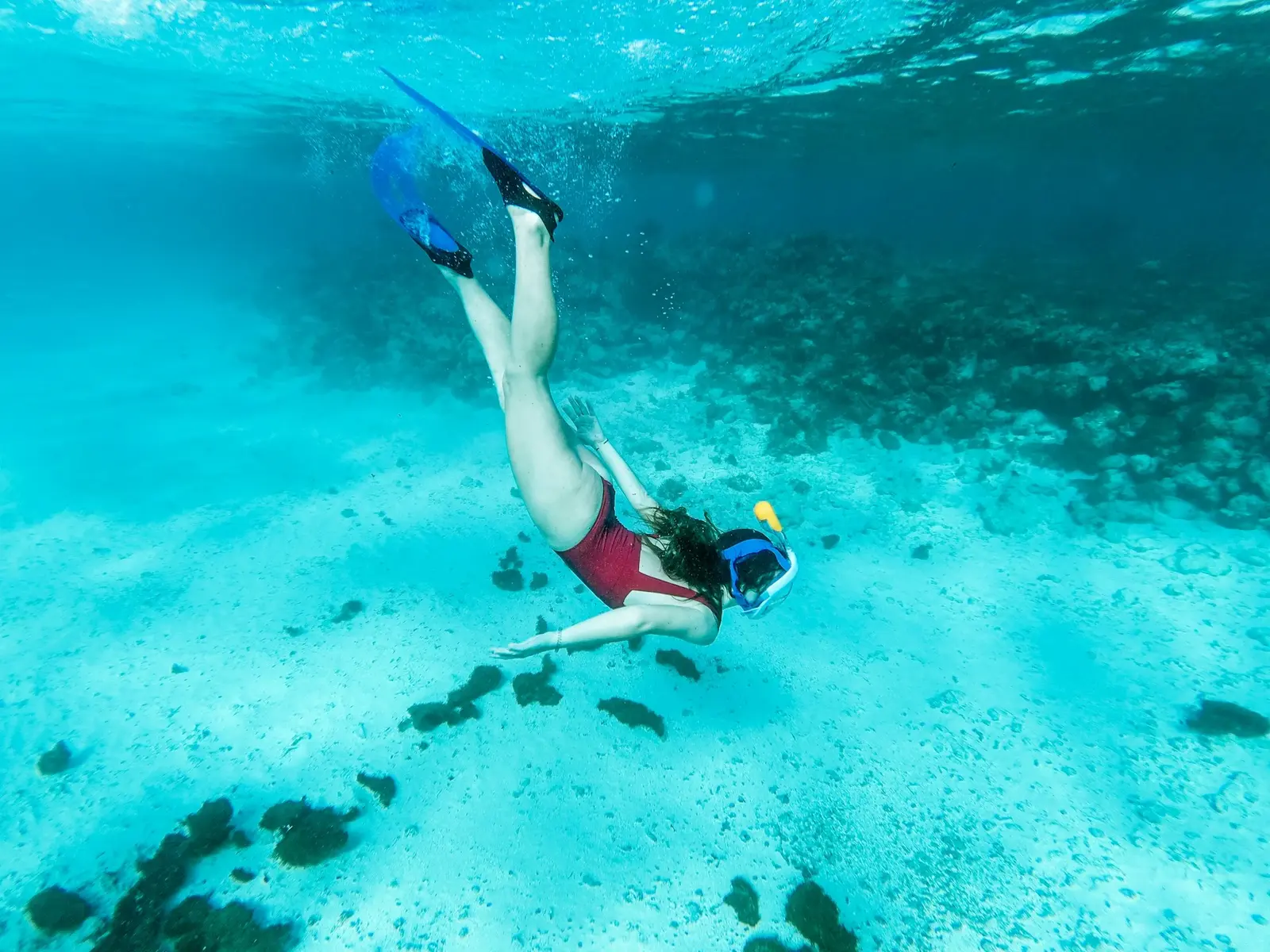
Punta Cana's beaches are calmer than most of the Caribbean coast because an offshore reef runs along much of the Bávaro strip, taking the force out of the swell before it reaches shore. That protection is real, but it is not uniform, and drowning is a genuine annual cause of tourist death in the Dominican Republic.
- Lifeguard cover is inconsistent. Canada's advisory states directly that lifeguard and rescue services do not always meet Canadian standards and that several drownings occur each year. Resort beaches usually have some supervision; public beaches frequently have none.
- Respect the flag system. Red means stay out, and it is worth taking literally rather than as a suggestion. Conditions can change quickly, particularly in hurricane season.
- The reef-protected strip is not the whole coast. Bávaro and Cabeza de Toro are typically gentle. Macao, north of the strip, has genuine surf and rip currents and is where most incidents involving visitors occur. Most people do not realise the reef protection ends where the resort strip does, so the beach that felt calm all week behaves completely differently twenty minutes up the coast.
- Alcohol is the common factor. All-inclusive drinking and unfamiliar water is the combination behind a large share of incidents. Swimming after a long session at the swim-up bar is the single most avoidable risk on this page.
- Sargassum varies by season. Seaweed landings are a cosmetic and occasionally smelly nuisance rather than a safety issue, heaviest in the warmer months.
None of this makes the sea dangerous in any general sense. It means the water deserves the same respect you would give any unfamiliar ocean, which is easy to forget on a beach that looks like a screensaver.
Health, Water and Mosquitoes
Health issues account for more spoiled holidays in Punta Cana than crime does, and nearly all of them are preventable.
- Do not drink the tap water. Resorts almost universally supply bottled water and it is the standard advice for visitors. Most resort ice is made from purified water, but if you have a sensitive stomach, ask.
- Stomach upsets are common and usually mild. The change in water, unfamiliar food, heat and heavy drinking combine. Pack rehydration salts and an anti-diarrhoeal rather than relying on finding them locally.
- Mosquito-borne illness exists. Dengue is present in the Dominican Republic, with risk higher in the wetter months. Repellent with DEET, particularly around dawn and dusk, is the sensible precaution.
- Sun exposure is underestimated. Punta Cana sits at 18 degrees north and the UV index is punishing year-round. Sunburn and heat exhaustion send more visitors to the clinic than anything criminal.
- Medical care is good and private. Hospiten Bávaro (+1 809 686 1414) runs a 24-hour emergency service near the airport, and Hospital IMG Punta Cana (+1 809 285 6116) is the other main option. Both expect payment or proof of insurance up front, which is the real argument for travel insurance on this trip.
Hurricane Season and Weather Risk
The Atlantic hurricane season runs from June 1 to November 30, with the highest probability of activity between August and October. The Dominican Republic sits inside that corridor, and the UK Foreign Office notes that hurricanes have caused localised flooding and damage to the north and east of the country in recent years.
In practice, this is a well-managed risk rather than a reason to avoid the destination. Storms are forecast days in advance, resorts have established procedures, and the country's tourism infrastructure is built to handle it. What it should change is your booking behaviour rather than your destination: travel insurance covering weather disruption matters more in September than in February, and flexible or refundable rates are worth the small premium during peak months.
The trade-off is that hurricane season is also the cheapest and least crowded time to visit, and the large majority of trips in those months pass without any weather disruption at all. We would book September and October differently rather than avoid them: refundable rates and weather coverage cost little and turn the one real risk of the cheap season into an inconvenience. If you are travelling then, the sea is also rougher on average, which loops back to the water safety advice above.
Our Take
What we consistently see is that the risks getting the most attention and the risks actually reaching visitors are not the same list. Three of the four governments lead with violent crime, but the things that realistically interrupt a Punta Cana holiday are road traffic, theft from rooms, and the sea after a long afternoon at the swim-up bar.
Practical Safety Tips for Punta Cana
- Use the room safe, every time. Theft from rooms is the most frequently reported incident in the resort corridor, and Canada's advisory names resort grounds and private rooms specifically. Passports, cash and jewellery go in the safe, not in a drawer.
- Save the tourist police number. CESTUR, the dedicated tourist police force, can be reached on +1 809 200 3500, and 911 works nationally for emergencies. Both are staffed to deal with visitors.
- Do not walk the beach at night beyond your resort. The beach is public and continuous, so the lit, patrolled section ends without any obvious boundary. This is the most common way guests wander somewhere they did not intend to be.
- Skip the motoconcho. Worth repeating as a standalone rule. If you need to get somewhere, use a licensed taxi or a pre-arranged driver.
- Carry small bills and leave the jewellery at home. The State Department's advice not to display signs of wealth is boilerplate, but it is boilerplate for a reason, and it applies most in the towns rather than on the resort strip.
- Take out travel insurance that covers medical care. Private clinics expect payment up front. This is the single most valuable precaution on this list in financial terms.
- Agree excursion prices and licensing before you pay. Anything booked on the sand should be checked; anything on water or at speed should be booked through a licensed operator.
- Drink bottled water and pace the all-inclusive bar. The two most common causes of a ruined day in Punta Cana, and both are entirely within your control.
- Photograph your passport and insurance documents. Keep the originals in the safe and the copies on your phone.
Who Should Think Twice
Punta Cana suits most travelers well, which is exactly why it is worth naming the people it suits less. None of these are reasons the destination is unsafe; they are mismatches between what someone wants and what the place offers.
- Travelers who want to explore independently on foot. The resort corridor is built around gated properties and long distances, not walkable streets. Independent wandering is where visitors most often drift outside the secure zone without noticing.
- Anyone unwilling to arrange transport in advance. The improvised options here (motoconchos, unlicensed airport drivers) are the weakest links in the whole safety picture.
- Nervous swimmers heading to unpatrolled beaches. If your plan centres on Macao rather than the reef-protected strip, treat lifeguard cover as absent rather than assumed.
- Travelers without medical insurance. Care is good but private and paid up front. An uninsured medical incident here is a serious financial event.
- Anyone expecting a destination with no crime at all. Petty theft happens, including inside resorts. Planning around that is straightforward; being surprised by it is not.
For everyone else, and that is the large majority of the 11.6 million people who visited in 2025, the practical answer is that Punta Cana is a well-run, heavily policed tourism destination where sensible precautions go a long way.
How We Researched This Guide
We built this guide from primary government sources rather than secondhand summaries, checking the U.S. State Department, Government of Canada, UK Foreign Office and Australian Smartraveller advisories directly and recording what each actually says, including where they disagree in tone. Advisory levels and dates were verified on August 28, 2026. Crime and visitor statistics come from published national tourism figures and reported crime data. Where sources disagreed, notably on the national homicide rate, we give the range rather than the most flattering number, and we flag resort-zone figures as indicative because they are not published to the same standard as national statistics. We deliberately included the 2019 tourist deaths and its resolution, the areas outside the resort corridor, and the traveler types this destination suits least, because a safety guide that only reassures is not a safety guide. Advisories change, so we link every official source for you to check before you travel.
Frequently Asked Questions
Is Punta Cana safe to visit right now?+
Yes, for most travelers. The U.S. State Department rates the Dominican Republic Level 2: Exercise Increased Caution, the same tier as France, Italy and Spain, and no government singles out Punta Cana for a separate warning. The country received a record 11.6 million visitors in 2025 with Punta Cana taking 51% of arrivals. Check the official advisories before you travel, as levels change.
Is Punta Cana safe for tourists outside the resort?+
Generally yes during the day, with normal city awareness. Downtown Punta Cana, Verón and Friusa are ordinary Dominican towns where resort staff live, and many visitors eat and shop there cheaply. Petty theft is more common than on the resort strip, so go in daylight, take a licensed taxi rather than walking long distances, and leave valuables in the room safe.
What is the biggest safety risk in Punta Cana?+
Road traffic, not crime. The UK Foreign Office specifically flags the Dominican Republic's high road traffic death rate. Motoconcho motorcycle taxis are the worst option available: helmets are rarely offered and insurance is minimal. Using licensed taxis or a pre-booked transfer removes most of this risk. After traffic, the most common issues are petty theft and water incidents involving alcohol.
Is it safe to drink the water in Punta Cana?+
No, stick to bottled water, which resorts supply almost universally. Most resort ice is made from purified water, but ask if you have a sensitive stomach. Stomach upsets are among the most common complaints from visitors and usually come from the combination of unfamiliar water and food, heat and heavy drinking rather than anything seriously wrong.
Are Punta Cana beaches safe for swimming?+
The Bávaro strip is generally calm because an offshore reef absorbs most of the swell, but lifeguard cover is inconsistent and Canada's advisory notes several drownings occur annually. Macao Beach, north of the resort strip, has genuine surf and rip currents with little supervision. Respect the flag system, and avoid swimming after drinking, which is the factor behind most incidents.
What happened with the tourist deaths in the Dominican Republic?+
In May 2019, three American tourists died within five days at Bahía Príncipe properties in La Romana, and media speculation focused on tainted minibar alcohol. The FBI ran independent toxicology testing and delivered results in autumn 2019, finding no connection between the deaths and no support for the tainted-alcohol theory. The conclusion was a coincidental cluster. It was seven years ago and the country has since recorded its highest ever visitor numbers.
Is Punta Cana safe for solo female travelers?+
Yes within the resort corridor, with the same precautions you would take anywhere. The Bávaro strip is gated, privately secured and patrolled by CESTUR tourist police. The main adjustments are avoiding walking the beach alone after dark beyond your resort's lit section, arranging transport in advance rather than improvising, and watching drinks in nightlife settings.
Do I need travel insurance for Punta Cana?+
Strongly recommended. Medical care in Punta Cana is good but private: Hospiten Bávaro and Hospital IMG both expect payment or proof of insurance up front. An uninsured medical incident is a significant financial event. If you travel between June and November, coverage for hurricane-related disruption is also worth having.
Affiliate note: Some links on this page are affiliate links. If you book through them, we may earn a small commission at no additional cost to you.